栖霞寺, 中国南京の仏教寺院
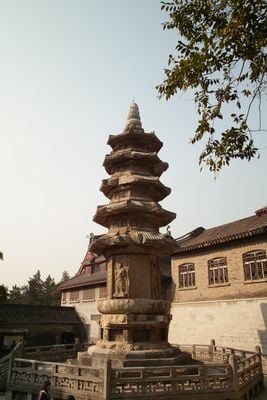
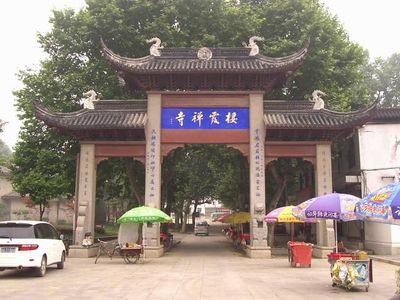
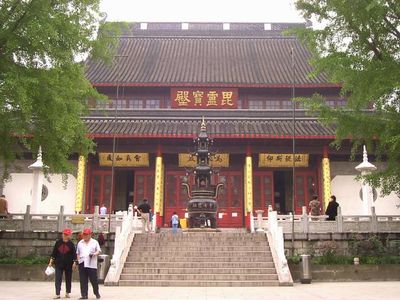
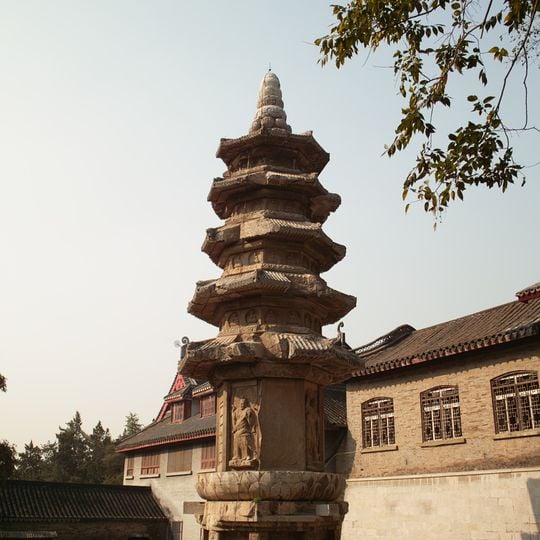
Qixia Temple is a monastery complex spanning a hillside with multiple halls, pagodas, and buildings in traditional Chinese style. The layout follows the hierarchical structure typical of Buddhist temples, with stone carvings and architectural details integrated throughout the site.
The temple was established in 489 and underwent several reconstructions over the following centuries. A major restoration during the early Republic period helped shape what visitors see today.
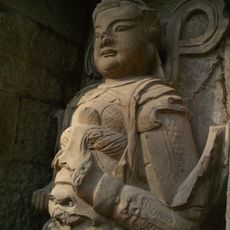
The temple serves as an active place of worship where visitors can observe Buddhist practices and see how the site remains meaningful to the local community. The carved Buddha statues in the mountain niches represent a tradition of devotion that has continued for more than 1,500 years.
The best time to visit is in early morning or late afternoon when crowds are lighter. Comfortable walking shoes are recommended since the terrain includes hills and uneven ground.
What stands out is the extensive collection of Buddha statues carved directly into the cliff faces of the hill, turning the rock itself into a canvas for devotional art. This approach of sculpting figures into the natural landscape rather than creating separate structures makes the site particularly distinctive.